


What Is an FX CRM? A Complete Guide for Forex Brokers
Share this publication:
You might think you know what an FX CRM is. In most industries, a Customer Relationship Management system is simply a digital Rolodex. It is a place to store phone numbers, track emails, and remind your sales team to follow up on leads. If you were selling software or real estate, a generic tool like Salesforce or HubSpot would be enough.
But you are not selling software. You are running a brokerage.
In the high-velocity world of retail trading, a standard CRM is useless. It cannot talk to Trading Platform. It cannot calculate a pip value. It cannot instantly rebate a commission to an Introducing Broker in Vietnam while you sleep.
So, what exactly is an FX CRM?
It is the specific, purpose-built operating system that sits between your clients, your trading platforms, and your payment providers. It is the middleware that ties your entire business together. Without it, you do not have a brokerage. You just have a license and a headache.
FX CRM It Is Not Just Salesforce with a Different Logo
To understand what an FX CRM is, you first need to understand what it replaces.
In the old days (or in poorly run brokerages today), a client would sign up on a website. That data would go into a spreadsheet. A support agent would manually check the documents. Then, someone would manually open an account in trading platform 4 or trading platform. Finally, they would email the login details to the client.
That process takes hours. In 2026, you have seconds.
An FX CRM automates this entire chain. It is a specialized piece of software designed to speak the complex language of trading platforms. It knows what "equity" and "margin level" mean. It knows that when a client deposits $500, that money needs to appear in their Trading Platform 5 trading account instantly, not tomorrow.
The Core Architecture of an FX CRM
When you look under the hood of a professional FX CRM, you will find three distinct components. Most people confuse these, but as a broker, you need to know the difference.
1. The Trader's Room (The Client Cabinet)
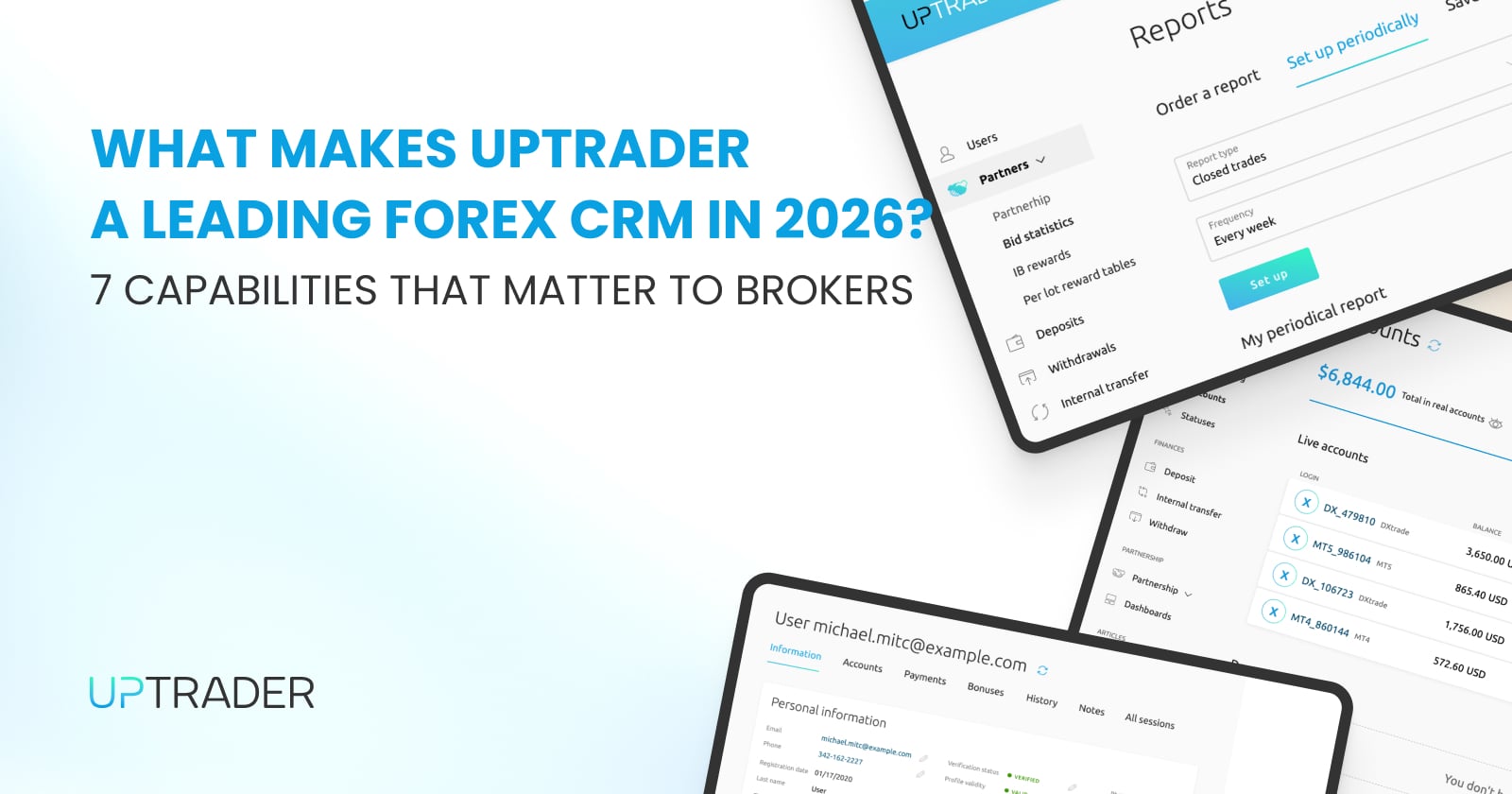
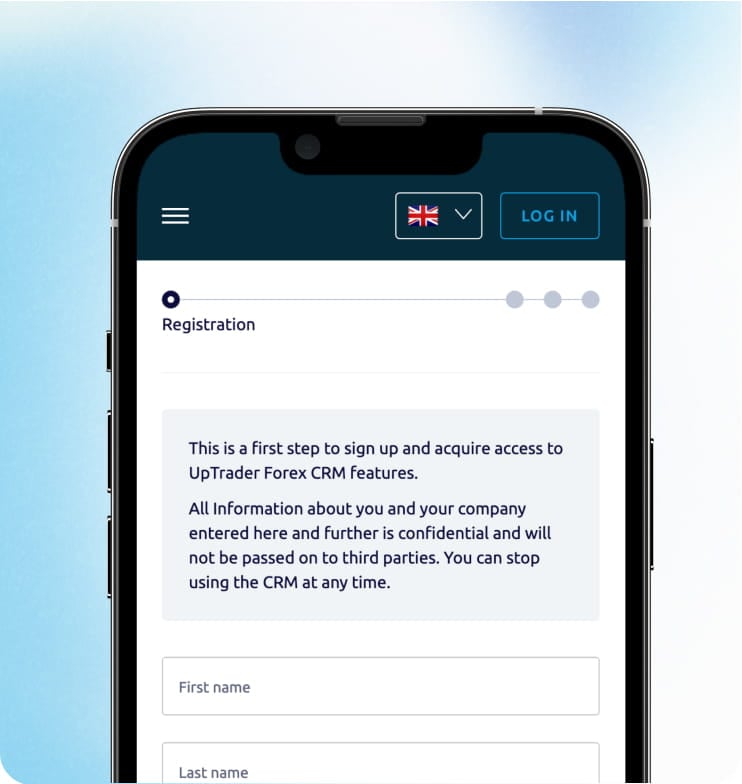
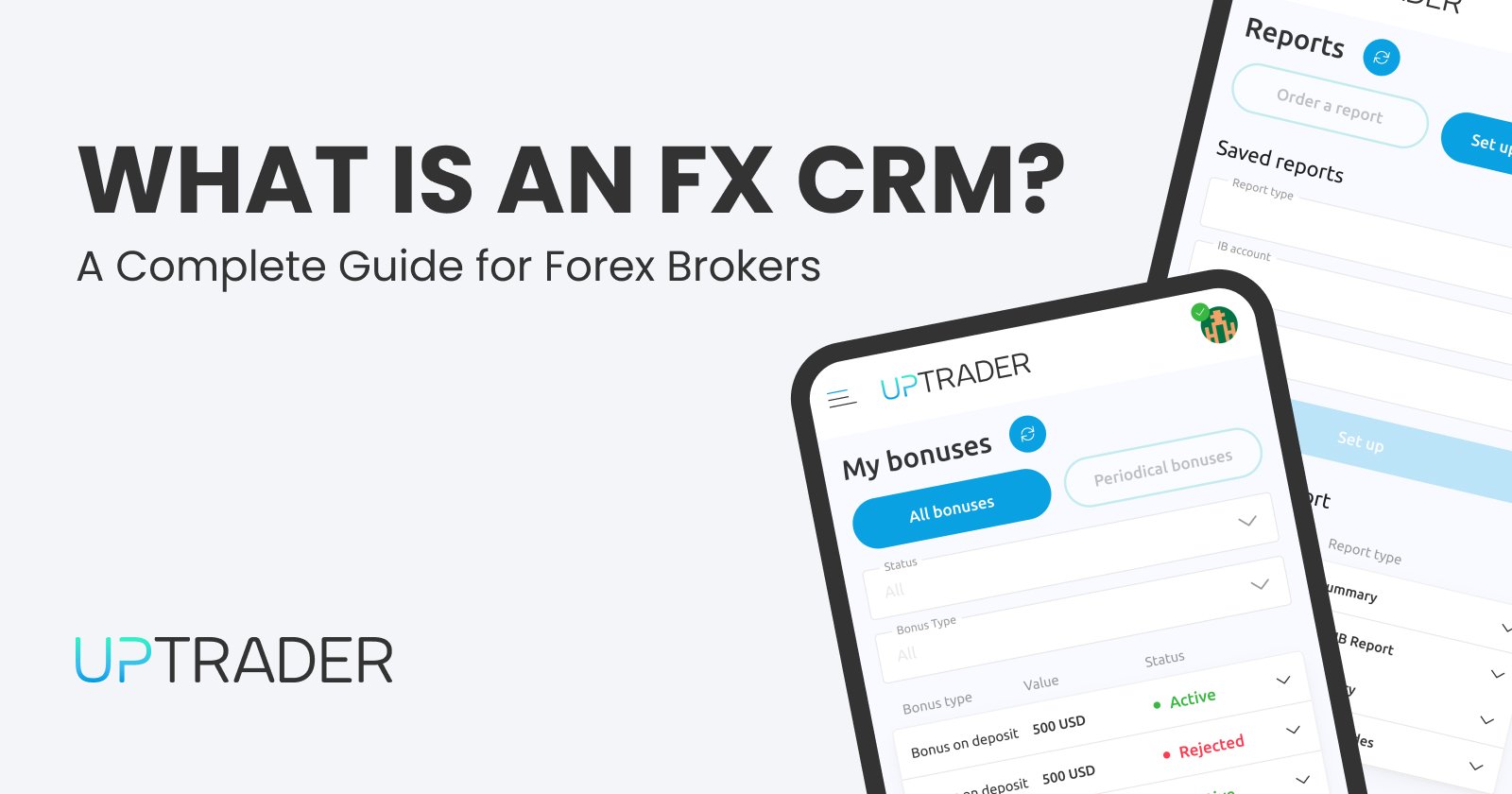
This is the client-facing side. It is the portal your traders log into. If you use a generic CRM, you do not have this. You just have a backend database. An FX CRM provides a secure, branded website where your clients can manage their financial lives.
- Self-Service is King: Your clients use this portal to upload their passport photos for KYC (Know Your Customer), open additional trading accounts, and request leverage changes.
- The Wallet Function: This is critical. The Trader's Room acts as a digital wallet. Clients deposit money here first, and then transfer it to their trading platforms. This protects you. If a client has a dispute, the money is safe in the wallet, distinct from the volatile trading account.
2. The Back Office (The Admin Panel)
This is your domain. It is where your staff lives. While the client sees a pretty interface, your Back Office is a grid of raw data and control levers.
- Risk Management: You can see which clients are winning, which are losing, and who is dangerously close to a margin call. You can segment clients into "A-Book" (passed to liquidity providers) or "B-Book" (kept in-house) based on the rules you set in the CRM.
- Compliance & AML: The system automatically flags suspicious activity. If a client from a high-risk jurisdiction tries to deposit $50,000 without proof of funds, the FX CRM freezes the transaction and alerts your compliance officer.
3. The Partner & IB Portal
This is the feature that separates the amateurs from the giants. In Forex, Introducing Brokers (IBs) drive a massive amount of traffic. These are the affiliates, influencers, and educators who send traders your way.
- The Problem: A generic CRM cannot track how many "lots" a referred client traded.
- The FX CRM Solution: It tracks every single trade placed by a referred client. It then calculates the commission owed to the IB based on complex tiers (e.g., $5 per lot for Gold IBs, $3 per lot for Silver IBs) and pays it out automatically. If your system cannot do this, you will struggle to attract top-tier partners.
Why You Cannot Survive Without FX CRM
You might be tempted to save money. You might think, "I can hire a developer to build a custom bridge between my website and Trading Platform 5."
That is a trap. Here is why.
Platform Agnosticism The market changes fast. Yesterday everyone used trading platform 4. Today it is Trading Platform 5. Tomorrow it might be cTrader or a new proprietary web trader. A robust FX CRM is "platform agnostic." It plugs into all of them. If you build your own hard-coded solution, you are locked in. If you want to switch trading platforms, you have to rebuild your entire business from scratch. A commercial FX CRM lets you switch platforms with a few clicks.
Payment Gateway Aggregation Getting a bank account is the hardest part of running a brokerage. Payment providers will shut you down without warning. An FX CRM acts as a hub for dozens of payment gateways (PSPs). You can have PayPal, Skrill, Neteller, crypto gateways, and local Malaysian bank transfers all active at once. If one fails, the system routes traffic to another. You cannot build this redundancy easily on your own.
The "Single Source of Truth" Your trading platform (Trading Platform 5) tells you about trades. Your payment provider tells you about cash. Your email tool tells you about communication. The FX CRM pulls all this into one view. When a client calls you, you do not need to check three screens. You look at the CRM and see: "He deposited $1k yesterday, lost $200 on Gold trades today, and opened a support ticket an hour ago." Now you have the context to have a profitable conversation.
Conclusion and Final Thoughts
So, what is an FX CRM?
It is the infrastructure that turns a trading platform into a business. It is the tool that allows you to scale from 100 clients to 100,000 clients without hiring 1,000 staff members. It handles the boring, complex, and high-risk mechanics of finance so you can focus on what actually matters: sales and marketing.
If you are serious about growth in 2026, you stop asking "Do I need one?" and start asking "Which one is powerful enough to handle my ambition?"
Update your technology and unlock your potential. Join hundreds of successful brokers using UpTrader to conquer the financial markets.